
Field notes from the program trenches.
Plainspoken POV on what makes large ERP and Workday programs succeed, or quietly fail.
Workday is one system. Your organization is not.
Workday's promise is one unified platform across HR and Finance. That unification is exactly where the hardest, most political battles get fought. Here's where the seams strain, the data model, the calendars, the security lines, and the playbook to govern them.
Read the article →"Workday doesn't create cross-functional conflict. It exposes it, and it hands you a deadline to resolve it."
The Workday Guides
The whole lifecycle on five pages. Fourteen panels each, a full written guide behind every one, and every number sourced. Free, no form.
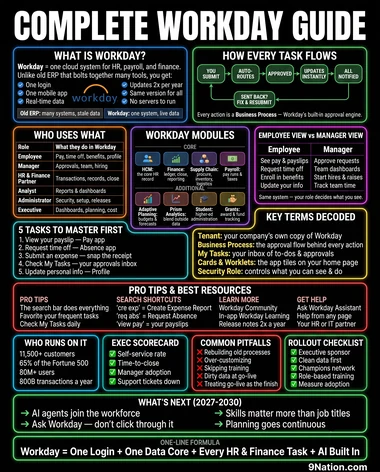 01 UnderstandThe Complete Workday GuideWhat it is, and how a task flows through it.
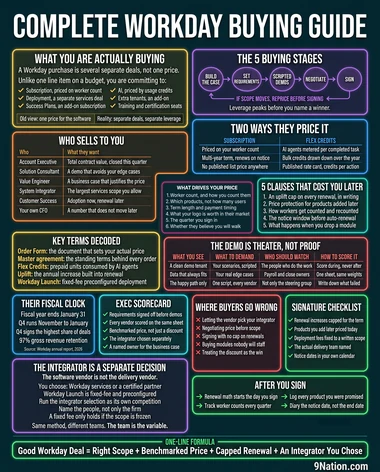 02 BuyThe Buying GuideFive stages, and the clauses that cost you later.
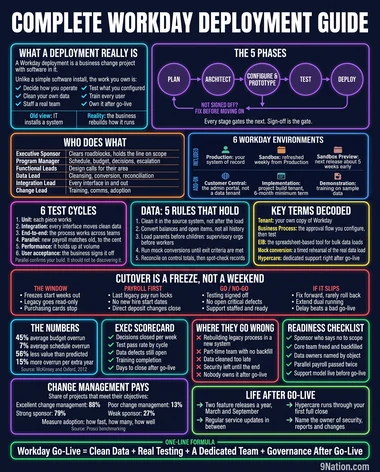 03 DeployThe Deployment GuideCutover is a freeze, not a weekend.
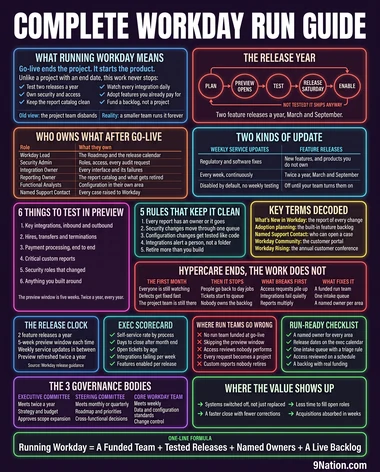 04 RunThe Run GuideGo-live ends the project. It starts the product.
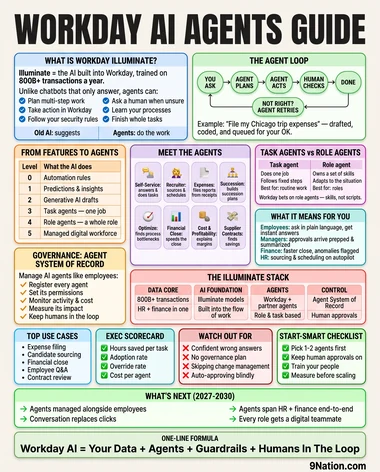 05 AIThe AI Agents GuideAgents do not suggest. They act.
All five guides →The Workday Field Set (PDF)
Latest
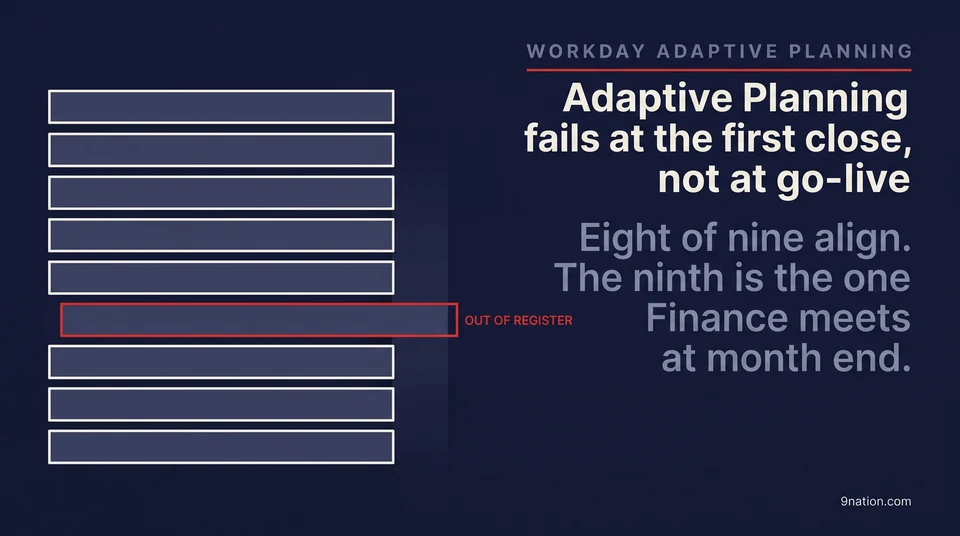
Adaptive Planning fails at the first close, not at go-live
The build takes weeks. Eight decisions made before it decide whether anyone trusts the variance report. The keys, the practices that hold, and seven lessons with what each one cost. Includes a scored implementation scorecard.
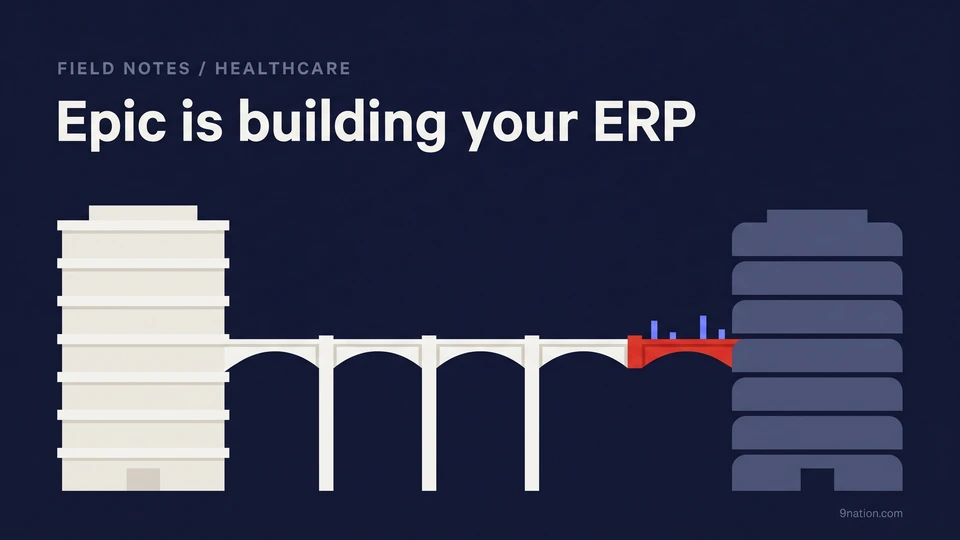
Epic is building your ERP: what changes, and what does not
Three of the six EpicOps applications are built to replace a general-purpose ERP, not sit beside one. What that does to a selection running right now, and the seven seams that decide the outcome either way.

Grants and student on Workday: the modules where programs stall
HCM and Finance are the easy part. Grants and Student are where research-university programs stall. Where they break, how they link to the ERP, and what separated the go-lives that worked.
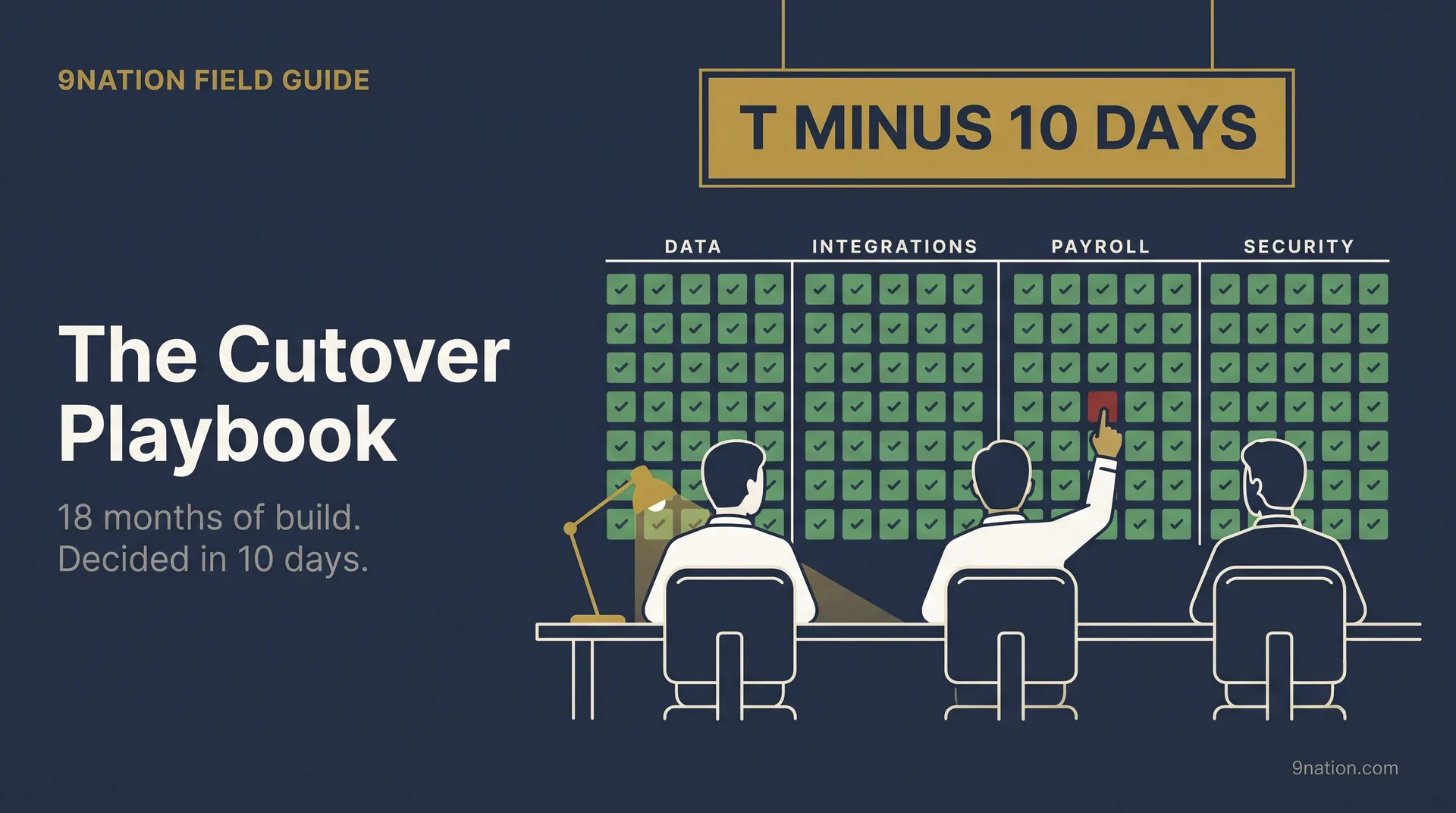
The cutover playbook: how Workday and ERP go-lives get done
18 months of build, decided in the last 10 days. The tenant chain, the freeze, the go/no-go, the command center, the rollback call, and the first payroll. The tactical version.
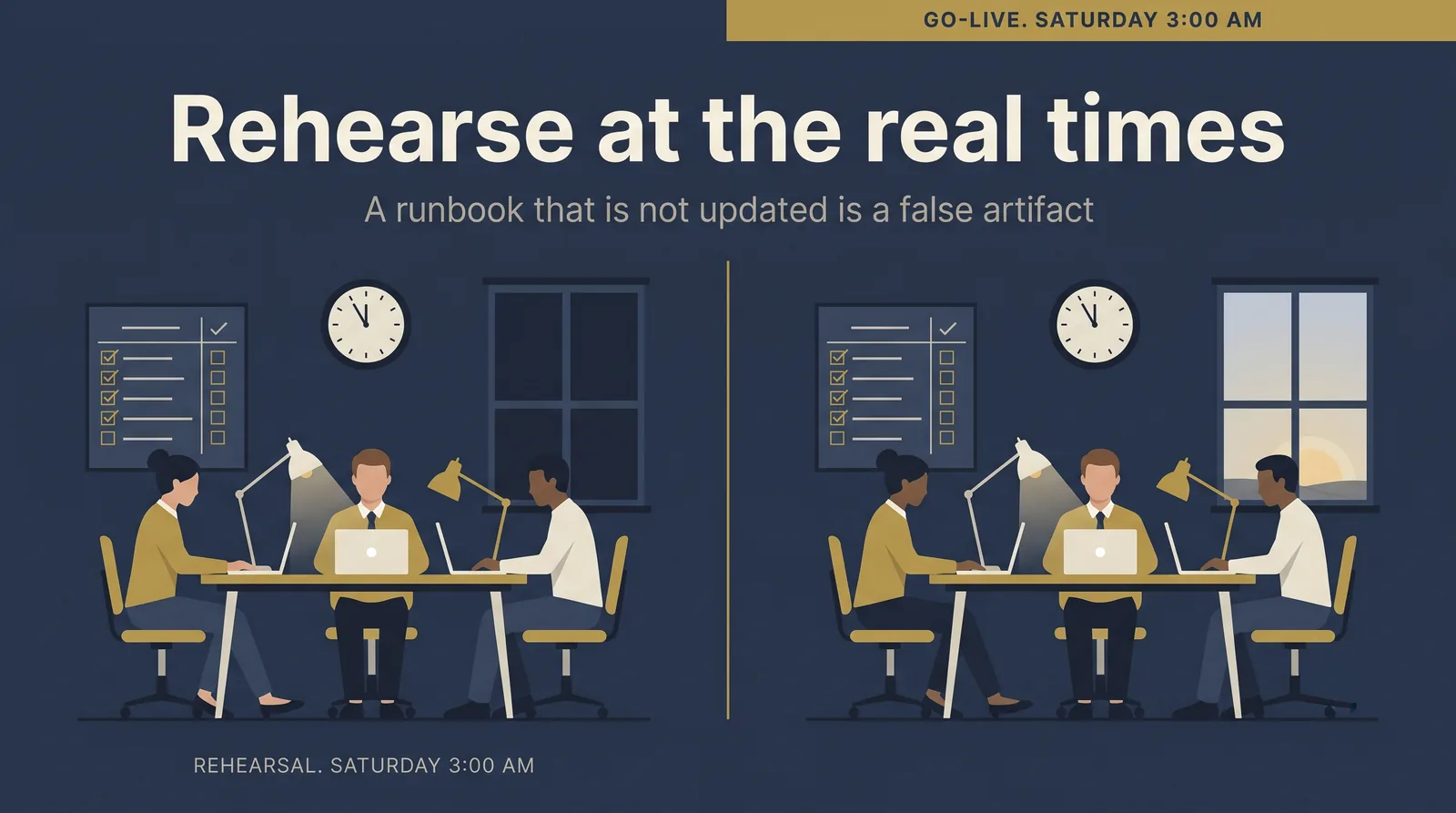
The cutover plan standard: building a plan that can actually be run
Most programs inherit a cutover plan instead of building one. The task schema, the ownership conversion, why dependencies replace dates, the decomposition rules, and the baseline gate.
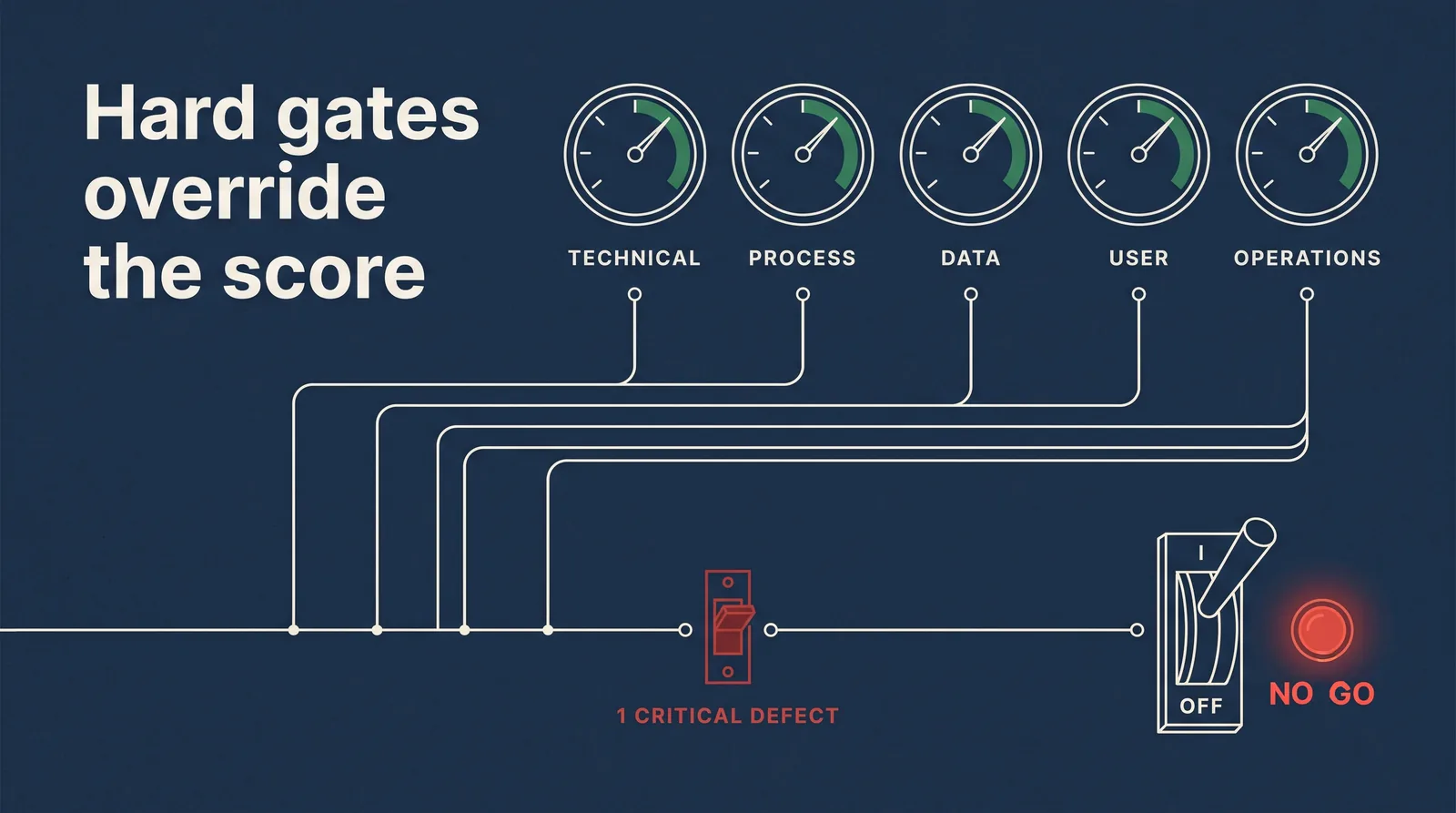
Cutover ownership: turning a RACI into named accountability
Equal partners means no partners. Separating the two sides of the contract, the rows that always get contested, and the three questions that settle a disputed row in ninety seconds.
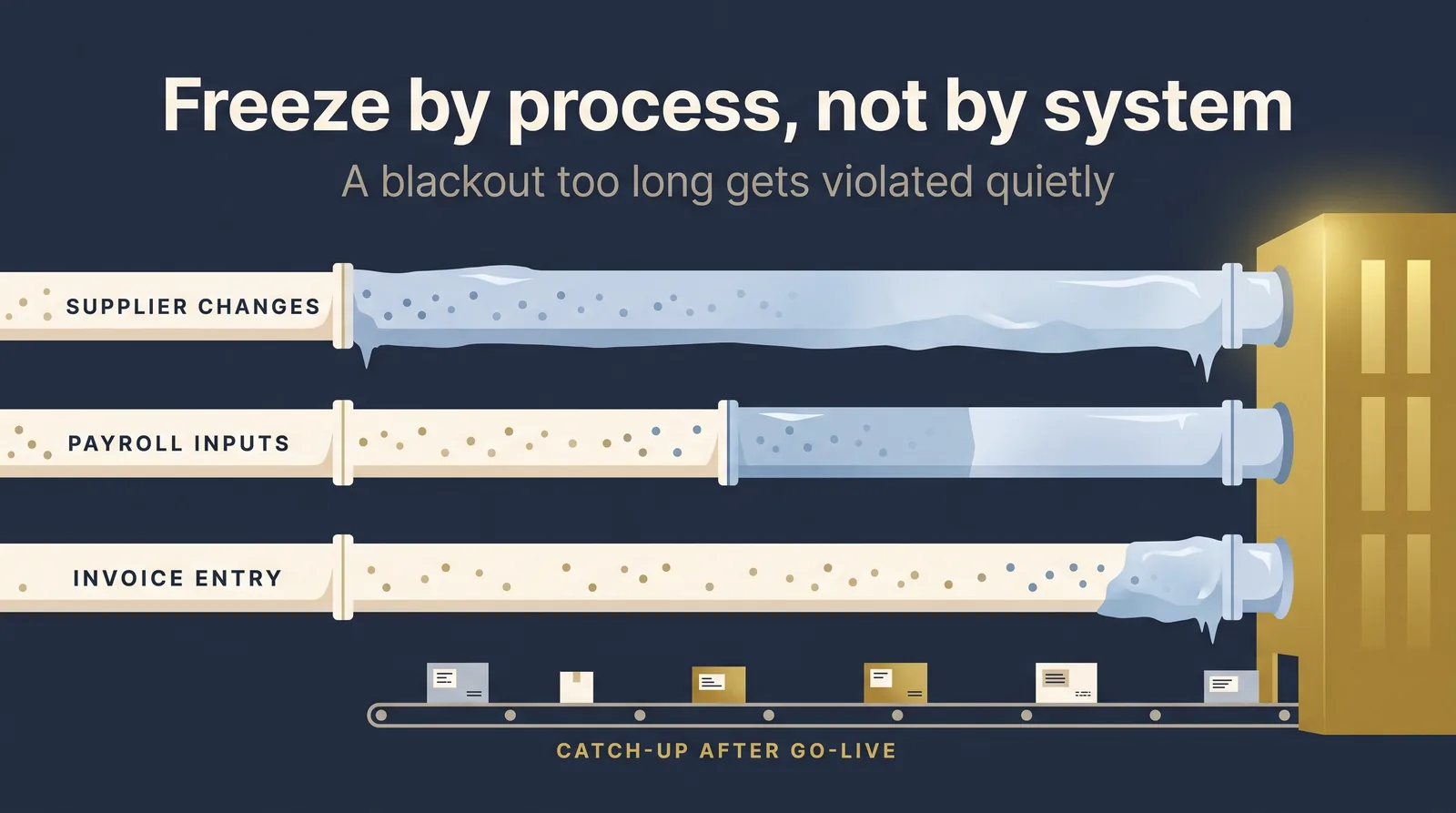
The cutover forum: bringing every workstream into cutover
Asking without teaching produces nothing. One forum, a two-page homework pack, then focused per-track sessions. The agenda, the vocabulary, and the tracks that resist.
ERP analytics: from report factory to decision engine
Governance, the semantic layer, staying in suite or going best of breed, and what changes in 2027 when agents start reading the data first. Workday Prism, Oracle, and SAP.
Implementing payroll: a VP of Payroll's guide
10 payroll modules, the one decision to get right in each, where they break, and what AI actually changes. Written for the leader who has to make payday land.
Implementing supply chain ERP modules: a CSCO's guide
10 supply chain modules, the one decision to get right in each, where they break, and what AI actually changes. Written for the leader who has to keep product moving.
Implementing HCM and HR ERP modules: a CHRO's guide
10 HR modules, the one decision to get right in each, where they break, and what AI actually changes. Written for the HR leader who has to own the result.
Implementing finance ERP modules: a CFO and controller's guide
9 finance modules, the one decision to get right in each, where they break, and what AI actually changes. Written for the finance executive who has to own the outcome.
Data conversion and integrations: the workstream that decides your go-live
The software is rarely the risk. The data going in and the connections coming out are. How to scope, own, sequence, and reconcile them so your date holds, on Workday, Oracle, or anything else.
What Workday really costs
Workday publishes no price list, and over 5 to 10 years the subscription is under half of what you pay. How it prices, where the money hides, and the levers that move the number.
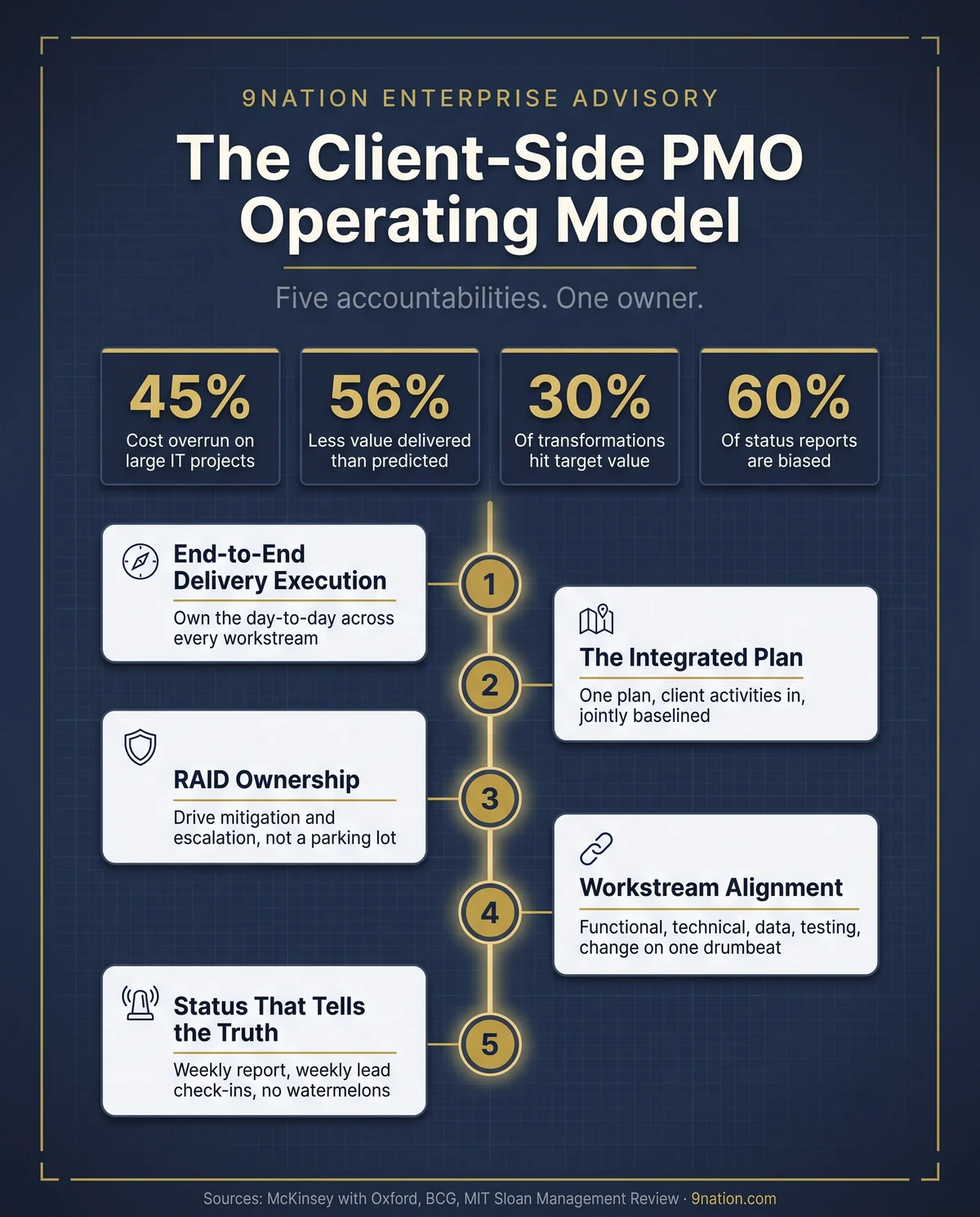
The Client-Side PMO
Your implementer is accountable for their scope. Nobody owns your whole program unless you make somebody accountable. The five accountabilities, and how to stand one up in 90 days.
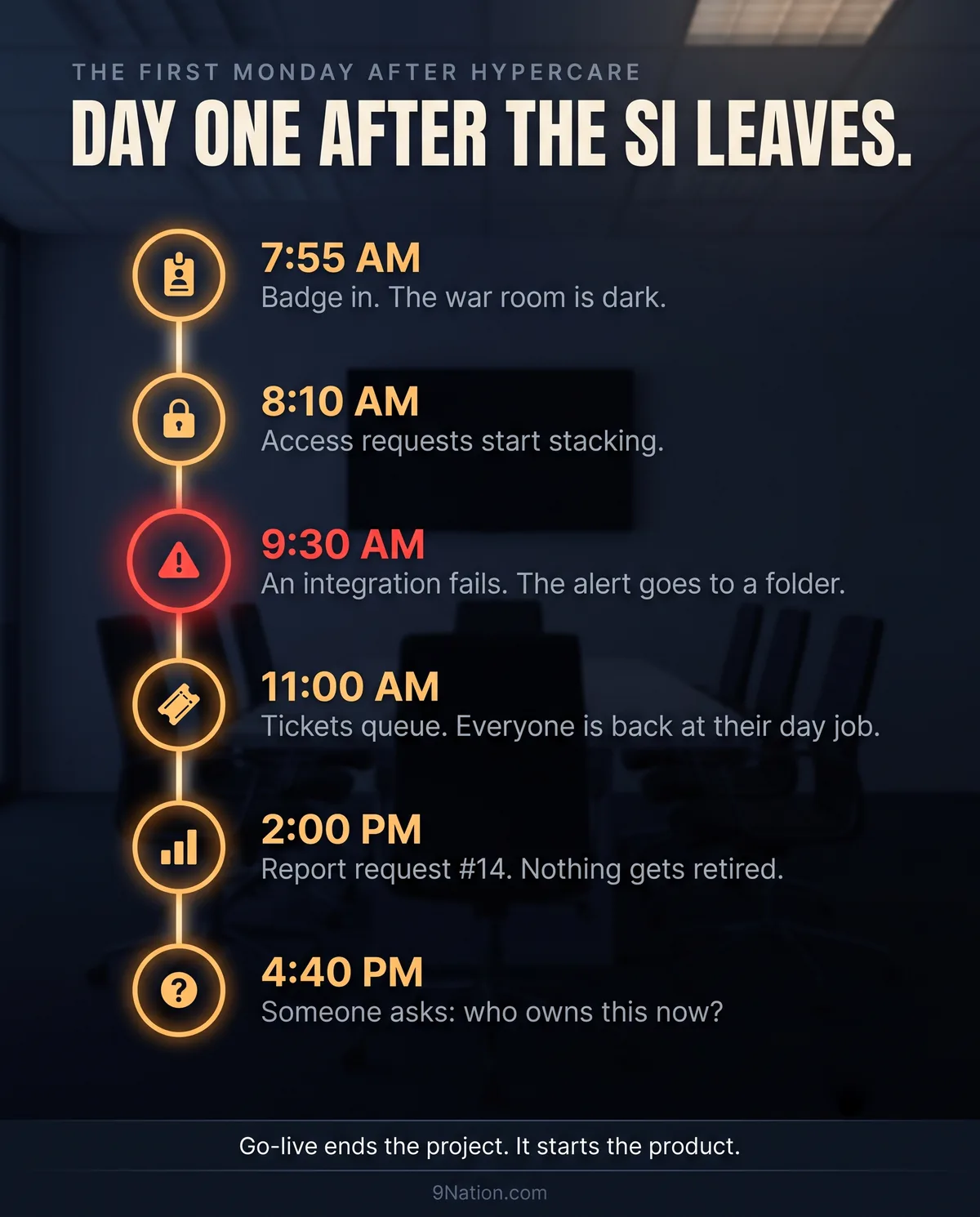
Day One After the SI Leaves
The first Monday after hypercare, told by the clock: the access queue, the silent integration failure, and the 4:40pm question that defines the next two years. Includes the 5-point run-ready check.
The Change Order Autopsy
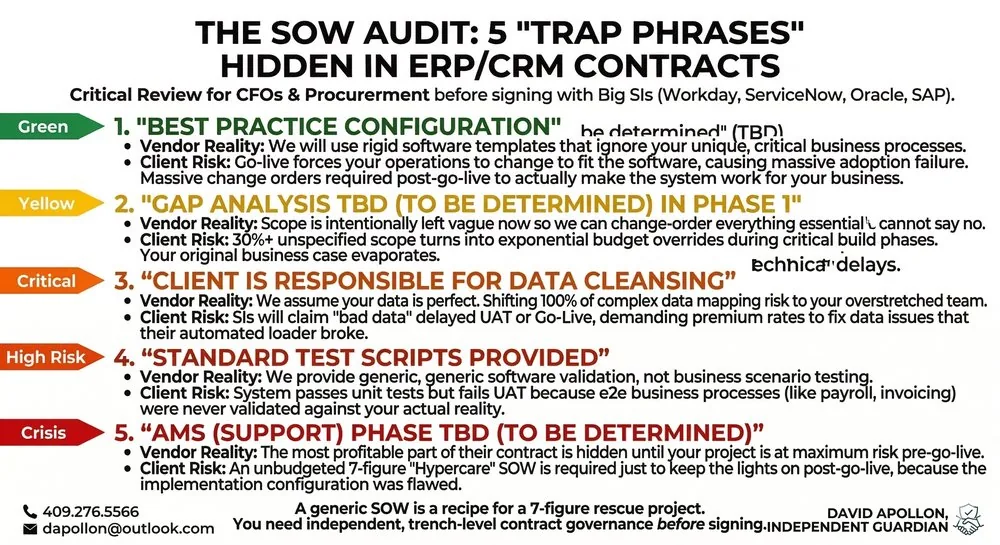
Three real change orders taken apart: the trigger, the cost, and the clause that would have prevented each one. Includes an 8-question exposure check to run against your own SOW before you sign.
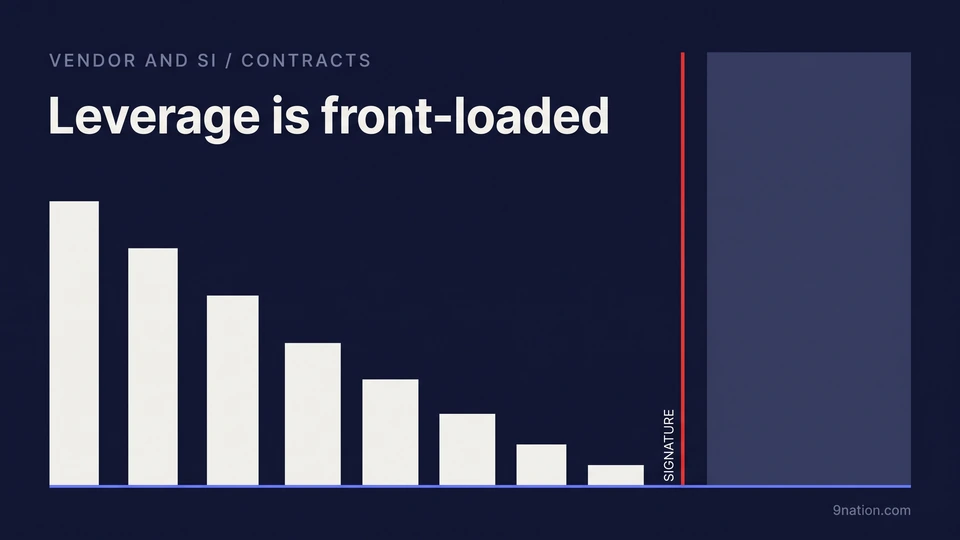
Selecting and negotiating with your System Implementer
Selection and contract are one continuous act of leverage, and both are over the day you sign. Two-track selection, weighted scorecards, ten-year cost, the renewal escalator cap, and the 16 areas to push on before signature.
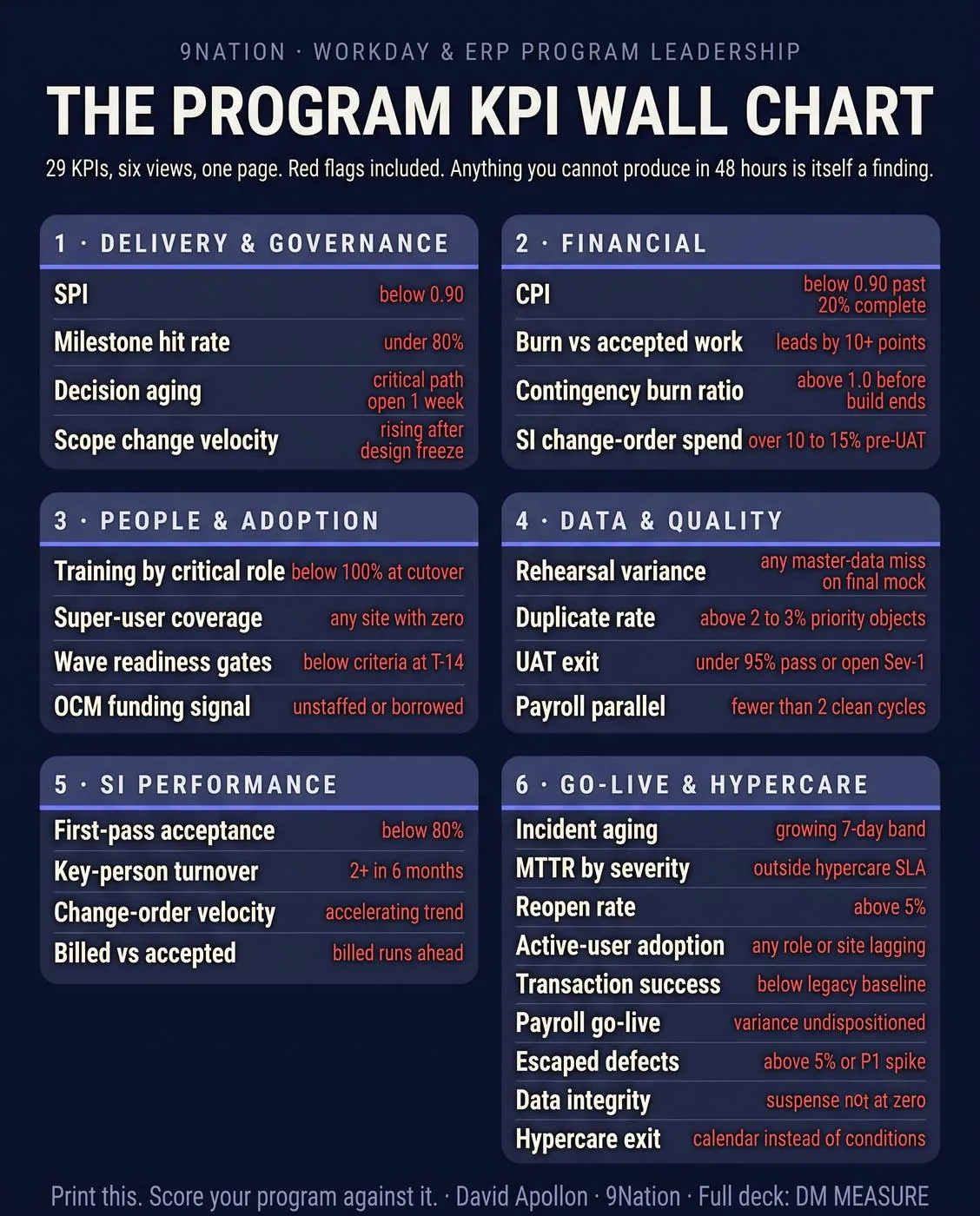
The KPIs that keep a program honest
A status color hides. A number cannot. The 29-KPI measurement system from kickoff through hypercare, and the go-live metrics that tell the truth before the org does.
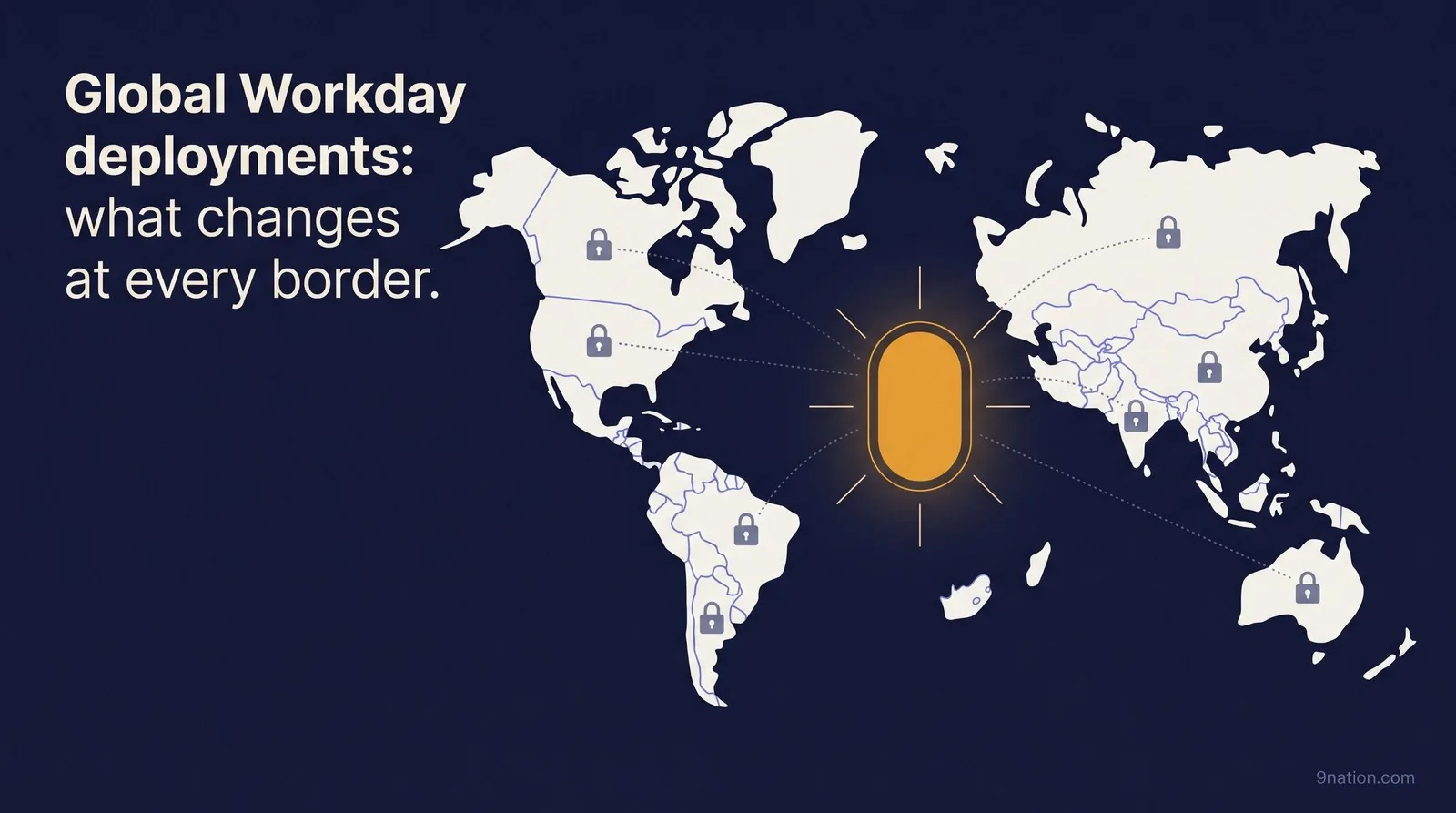
Global Workday deployments: what changes at every border
One system, 30 sets of rules. The region-by-region watch-outs across HCM, Payroll, and Finance, and how a program lead keeps them from surfacing at cutover.
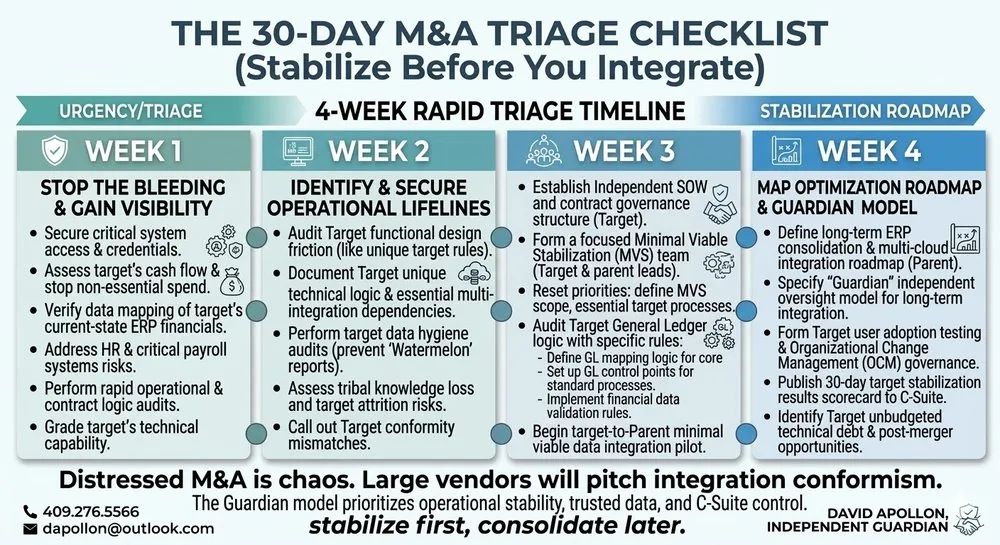
An acquisition integration is a business transformation wearing an IT costume
Most companies fund it like a data migration and then lose the people. The change-management truth behind 15-plus integrations, with the attrition numbers that should reframe the whole effort.
The acquisition closed. The integration is where the deal is won or lost.
The synergy number lives in the integration, not the purchase agreement. How the value case gets realized or destroyed in the systems work, after more than fifteen of them.
Two companies, one tenant: what nobody budgets for
The hidden milestones, workstreams, and costs that never make the deal model or the IT budget, and that quietly decide whether you hit Day 1.
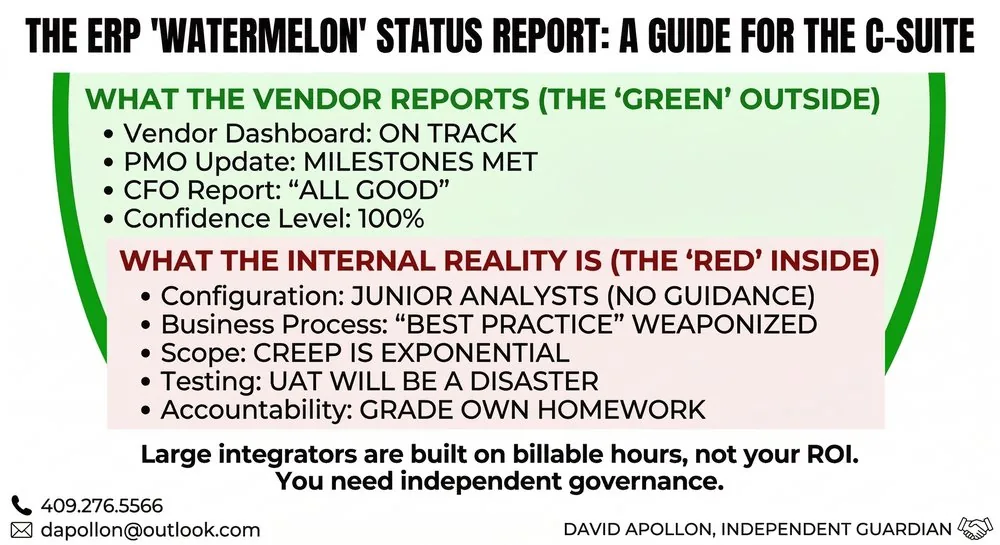
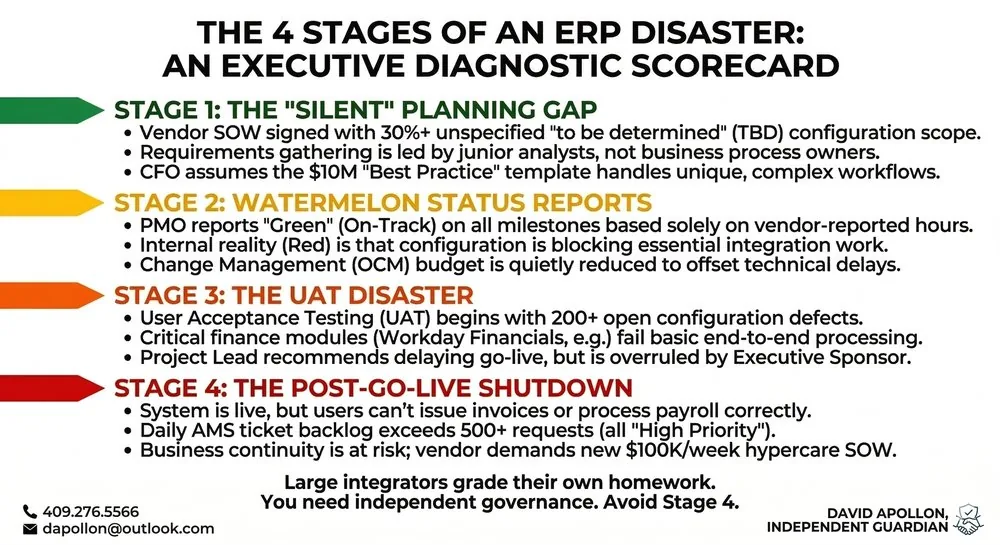
The watermelon status report
Green on the outside, red on the inside. Why it happens, how to spot it, and how to build a status culture that surfaces the red while you can still do something about it.
AI and ERP: a field read · Workday's AI bet
Two short series from the client-side seat. What agents change about the program you run, and what Workday's $2B AI bet means for the buyer: the acquisitions map, the Agent System of Record, and the Flex Credits meter.
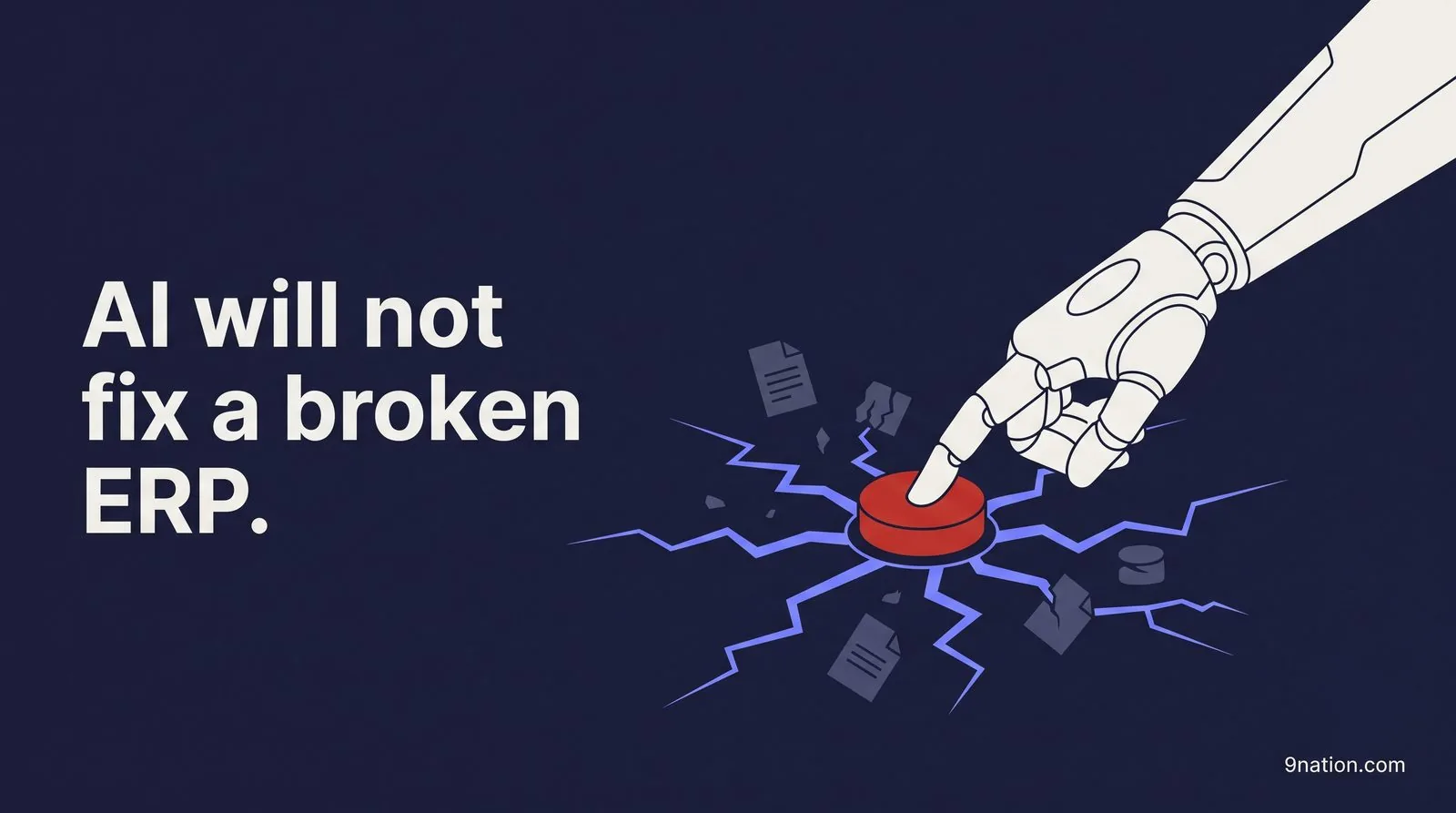
AI will not fix a broken ERP
An agent runs on your data, not the demo tenant. The field numbers on duplicates and error rates, and the 90 days of work that decide whether AI delivers.
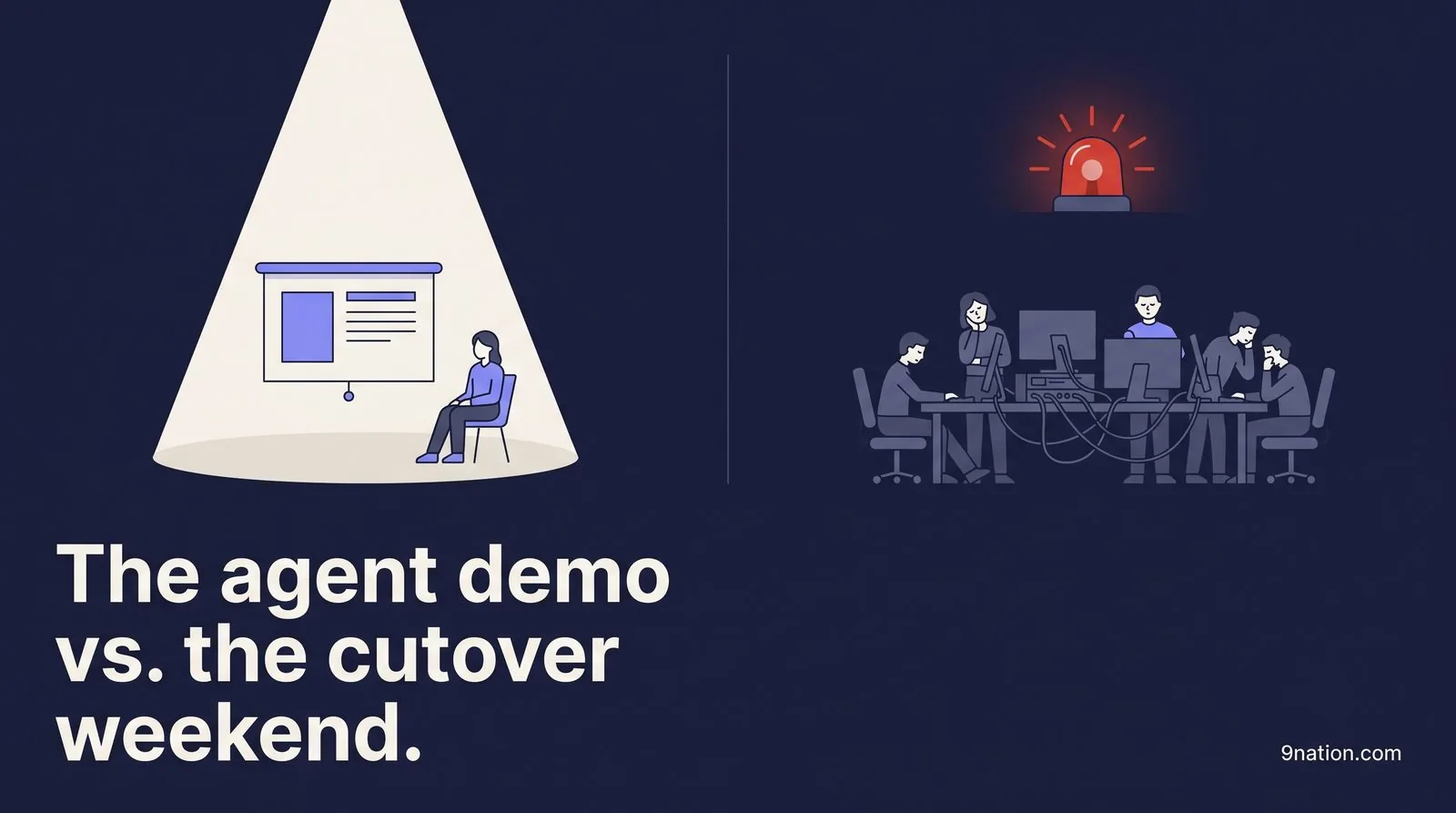
The agent demo vs. the cutover weekend
Agent counts are marketing artifacts. The reliability numbers vendors do not lead with, and three questions that expose roadmap-ware in 5 minutes.
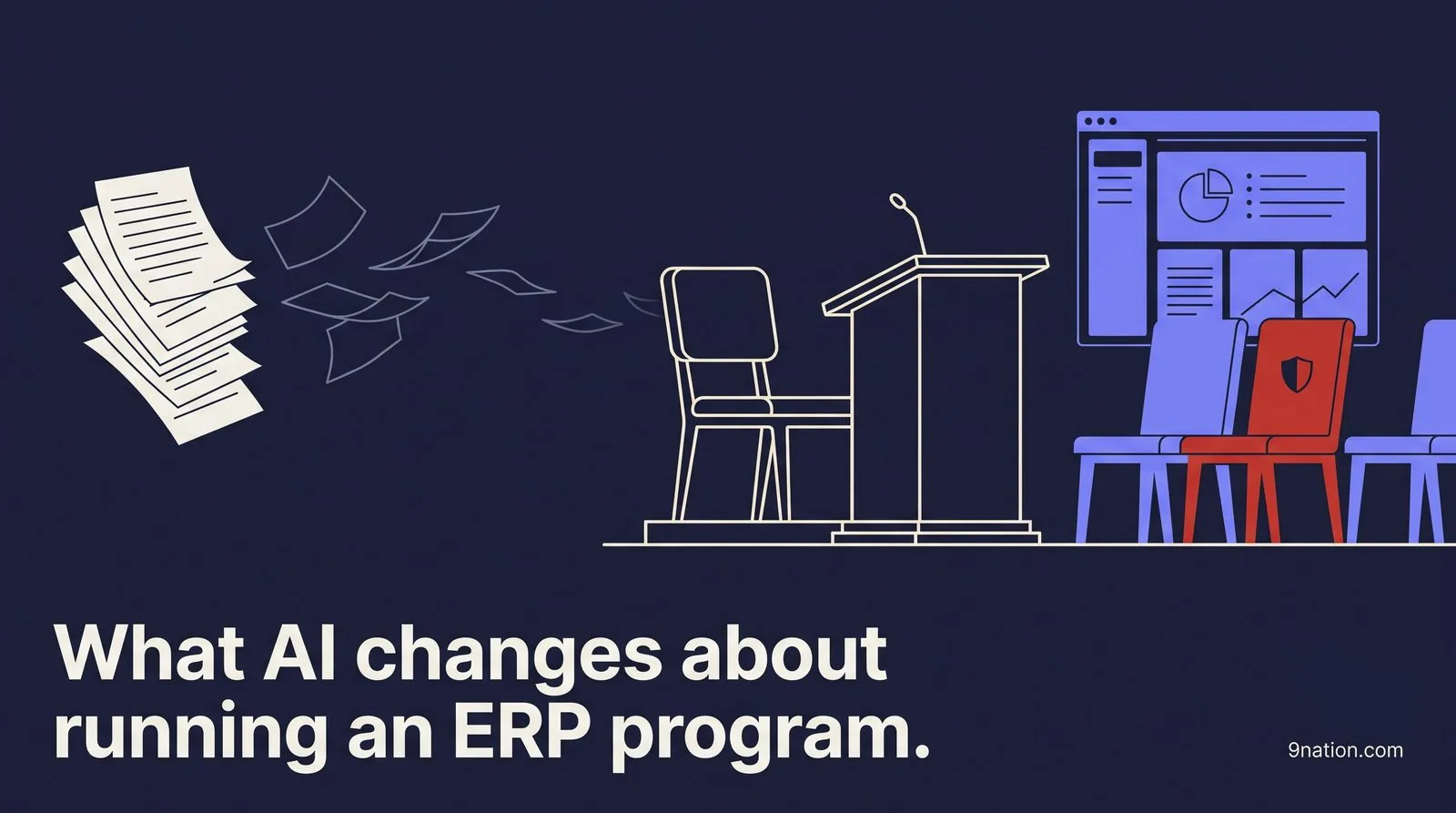
What AI changes about running an ERP program
Agents take busywork off the program and add new work back: probabilistic testing, a half-human workforce, and a governance seat most programs have not filled.
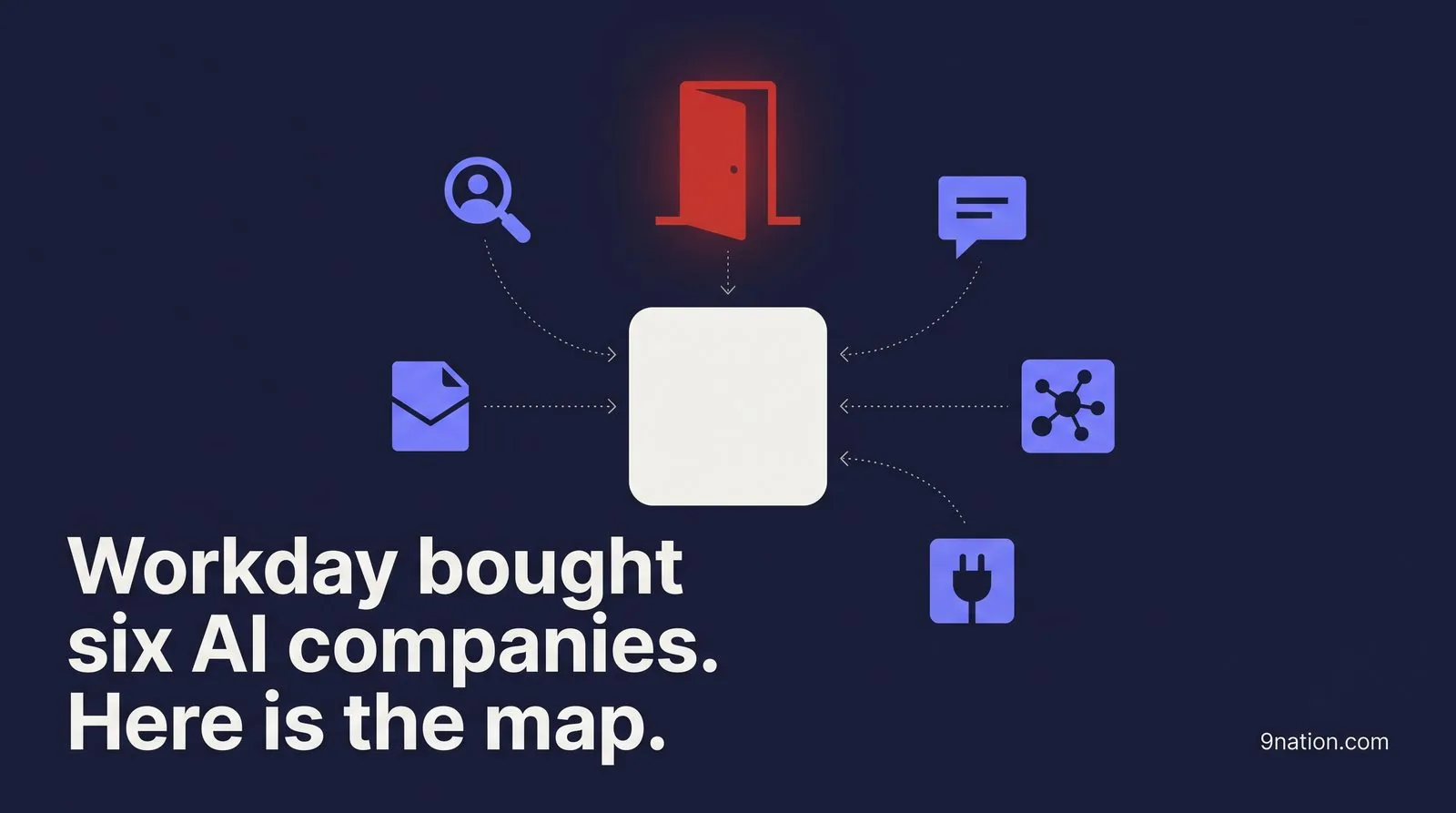
Workday bought six AI companies. Here is the map.
Six deals, about $2.1B disclosed, one strategy: from system of record to system of action. Deal by deal, read from the buyer's side.
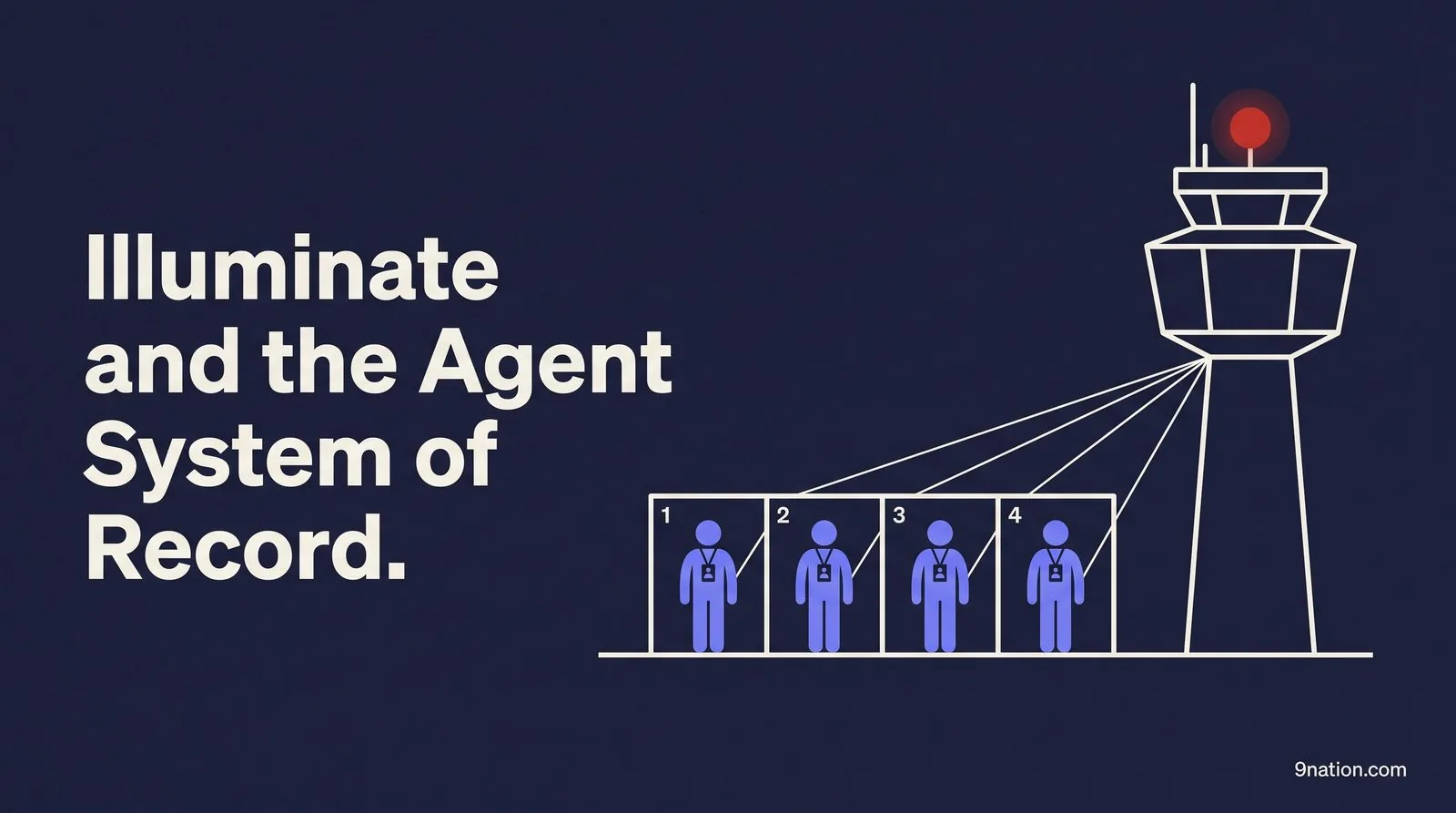
Illuminate and the Agent System of Record
The architecture in plain English, why the ASOR is the genuinely new idea, and which agents to pilot versus park in 2026.
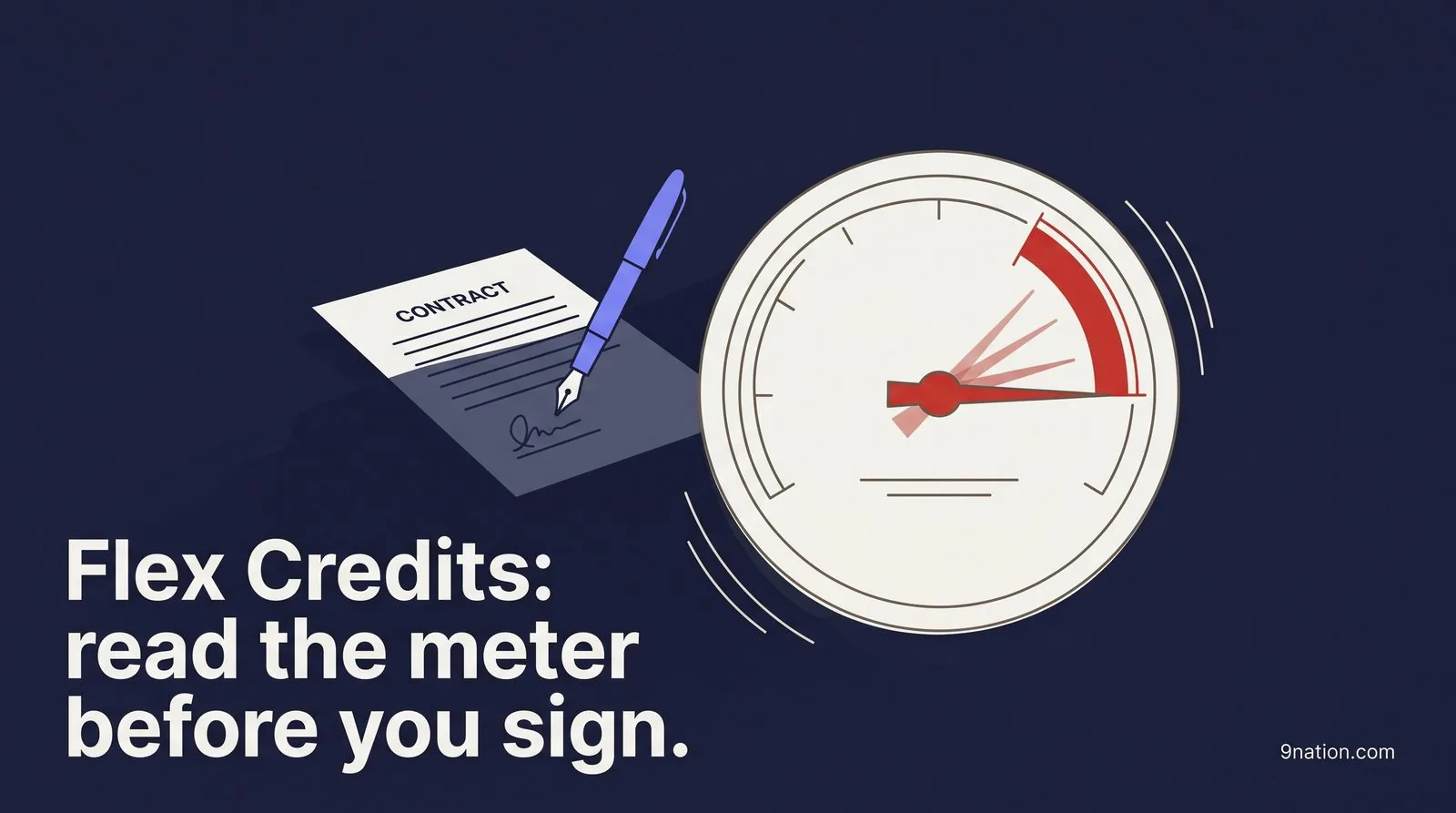
Flex Credits: read the meter before you sign
Workday's AI pricing is a meter, not rent. The pilot-burn failure mode, and the six contract terms to demand before you enable a single agent.
The future of ERP: 2026 into 2027
A new series for CIOs, CHROs, and ERP leaders: agentic AI, the 2027 migration clock, the future of the HR function, and the data foundation underneath it all.
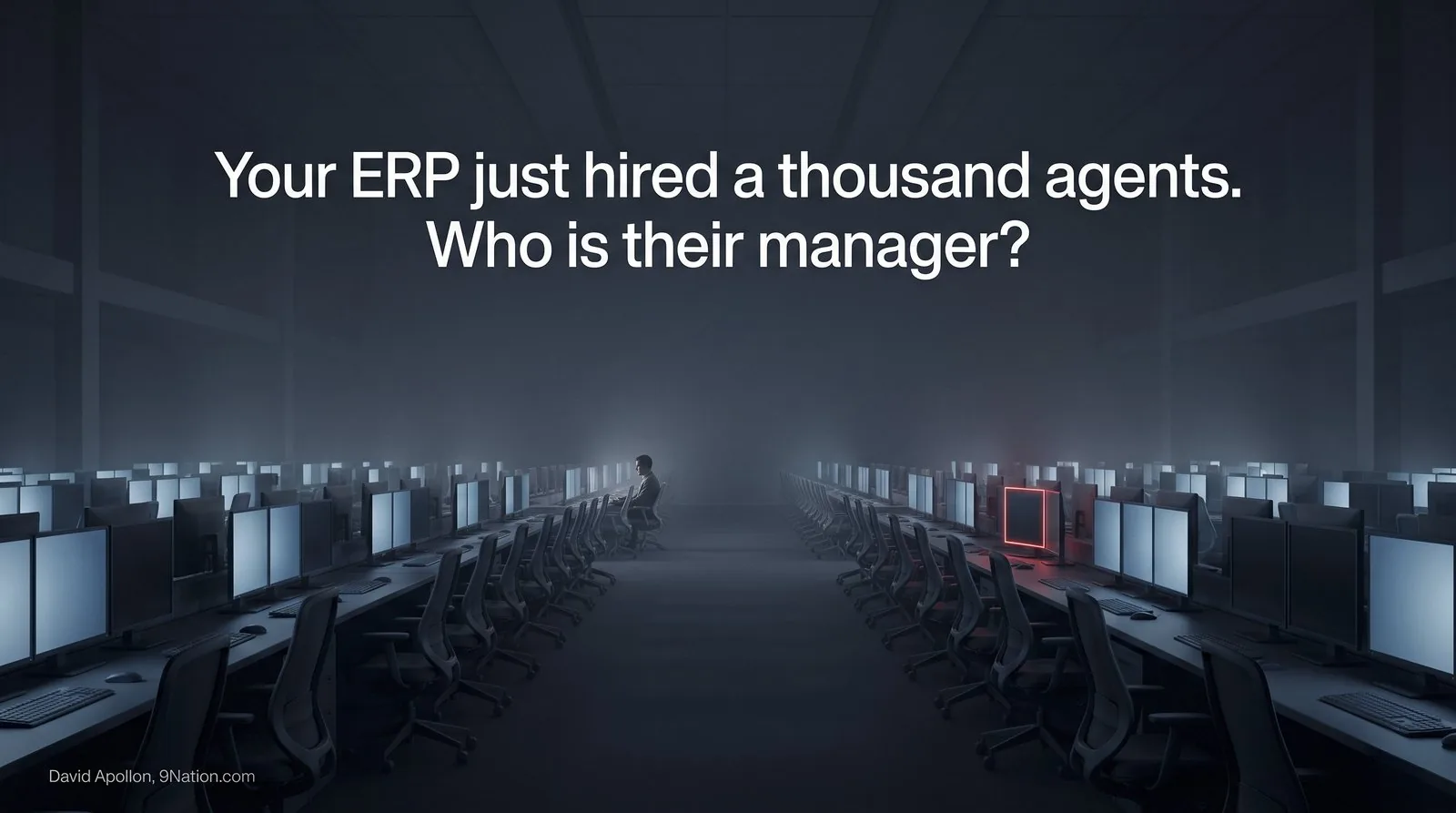
Your ERP is hiring agents faster than you can govern them
Every vendor shipped autonomous agents this year. The accountability has not moved, and that gap is where the next expensive failures hide.

The 2027 deadline is yours to set
SAP's maintenance cliff is the best sales tool software ever built. What the clock says, and who benefits from you panicking.
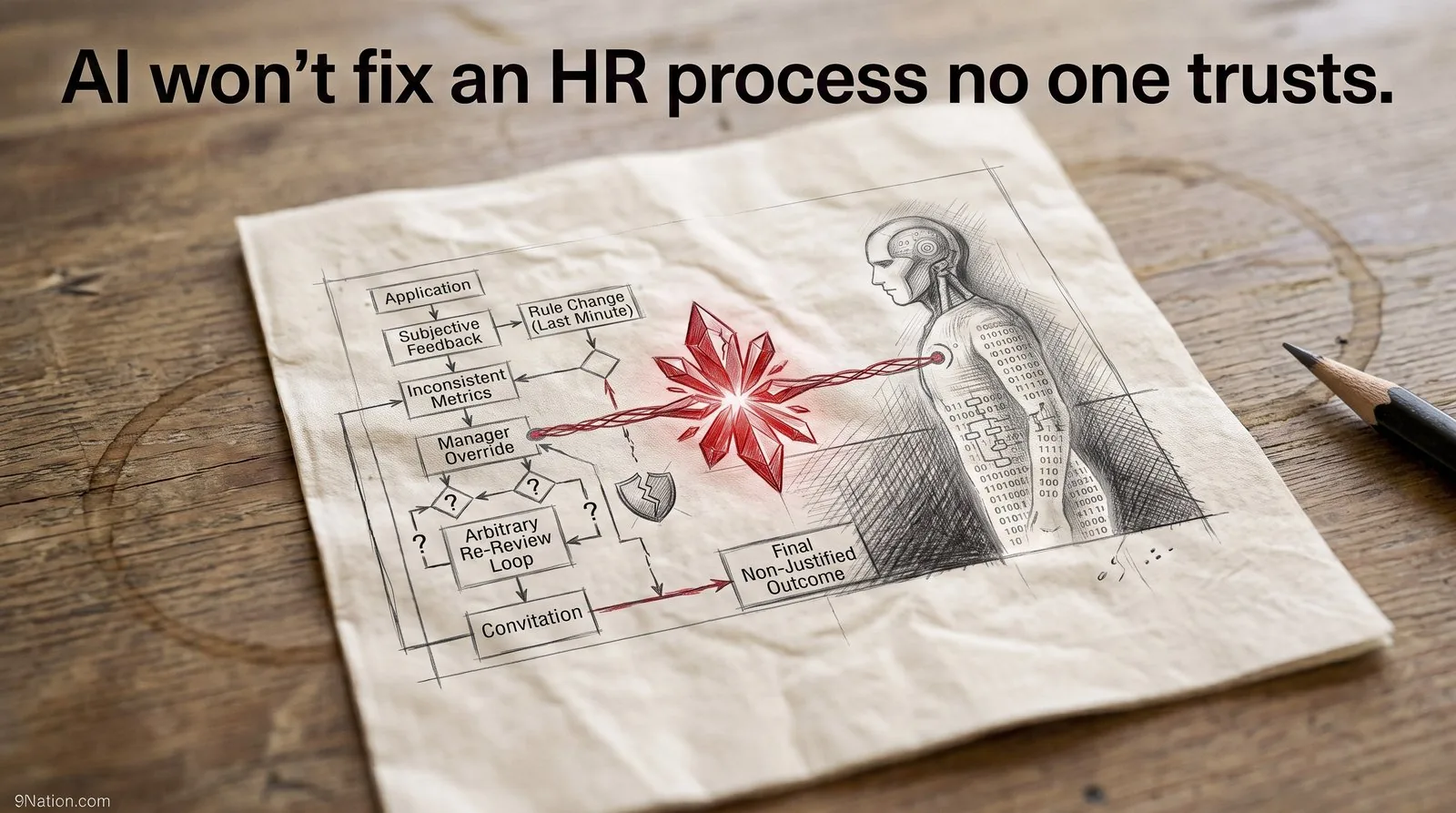
AI won't fix an HR process no one trusts
HCM platforms shipped HR agents this year. The CHRO's real job is deciding which people decisions a machine is allowed to touch.
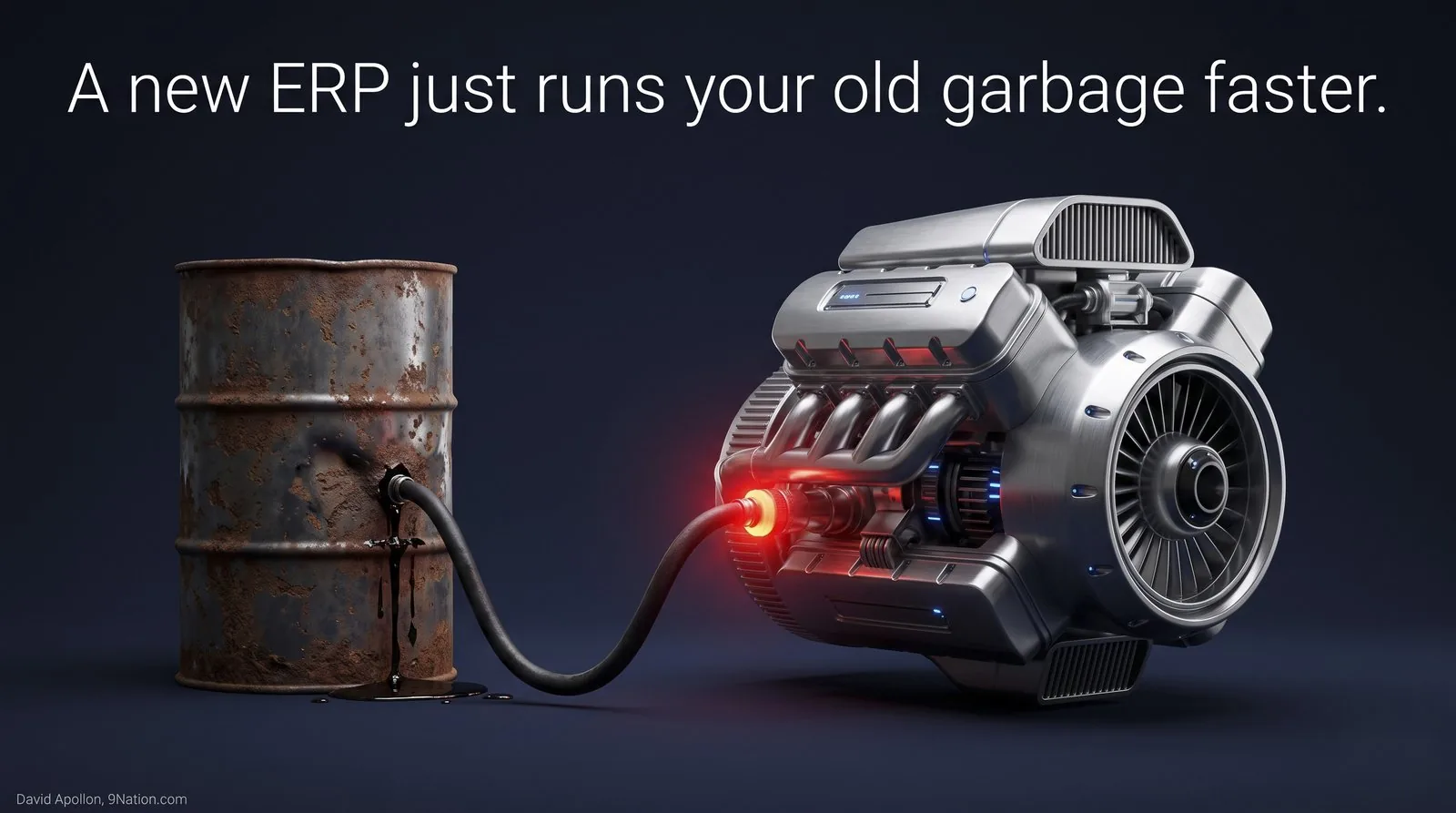
A new ERP just runs your old garbage faster
Your AI roadmap lives or dies on data quality and clean-core discipline. The 2026 to 2027 migration is your last best chance to fix it.
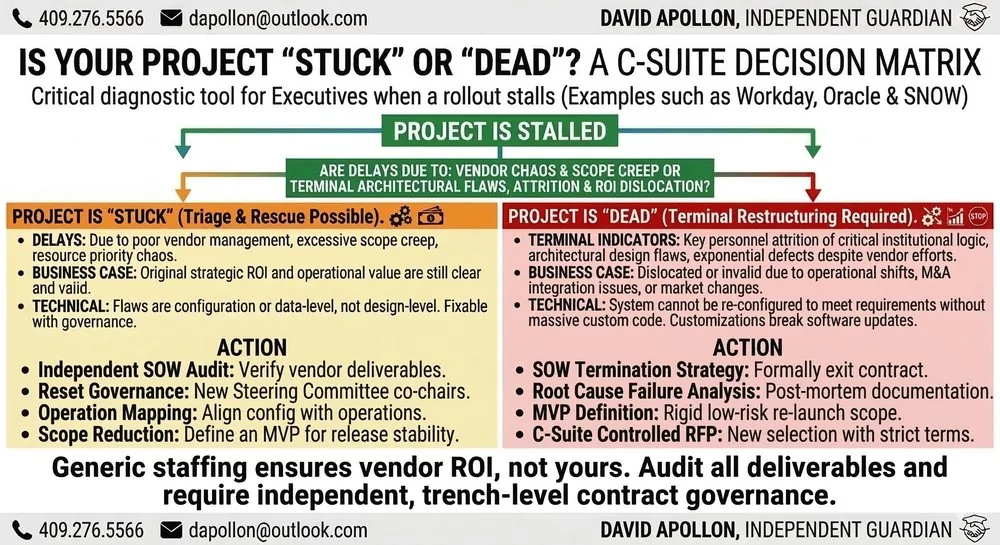
Workday projects don't fail in the build. They fail in the plan.
Phase gates, decision velocity, scope discipline, governance, the disciplines that decide whether a deployment lands.
Running a go-live command center that works
The playbook for the 72 hours that decide whether your program lands or limps, roles, cadence, and the decisions you pre-make.
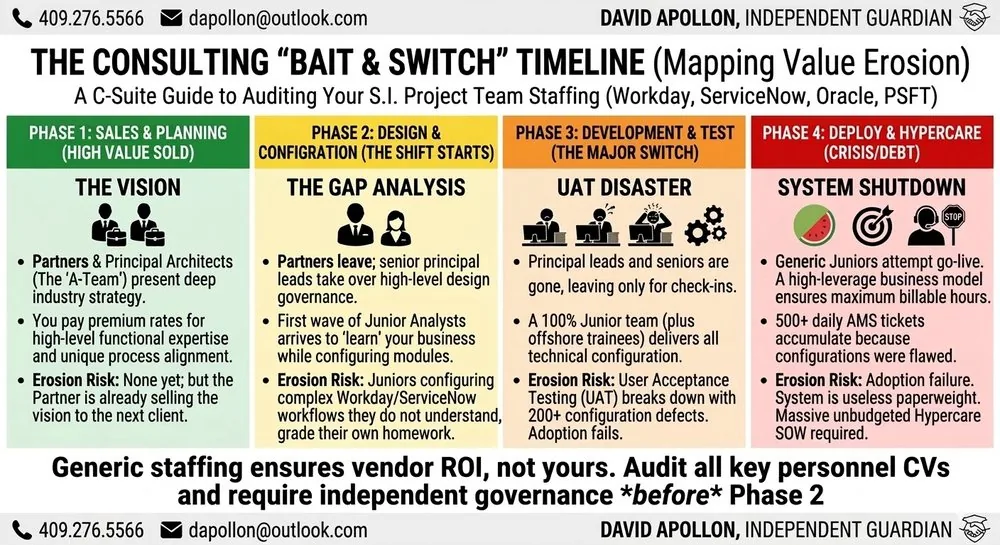
Choosing and managing your SI
The independent-voice approach to selection scorecards, SOWs, and holding implementation partners to the outcome they sold.
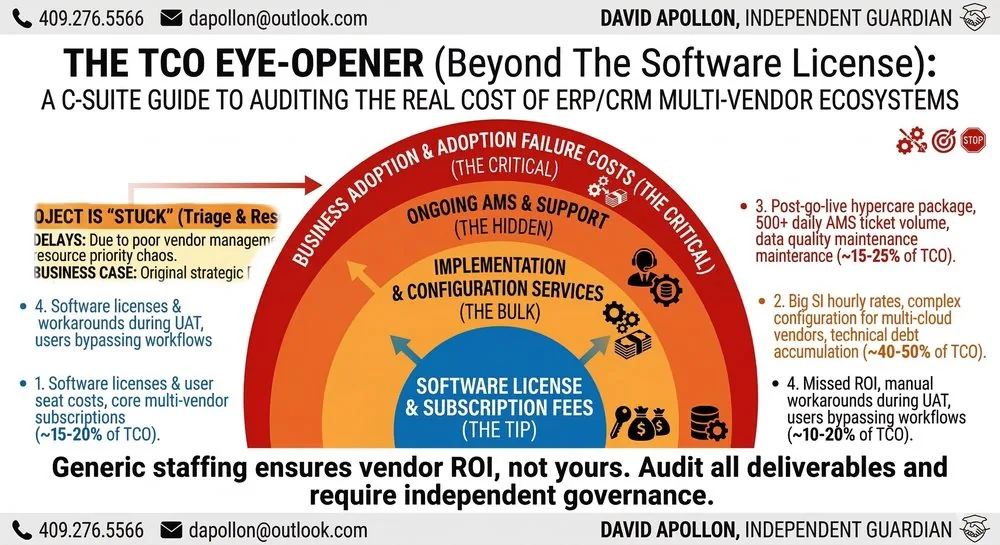
Workday lessons you only learn the hard way
The nine most expensive lessons from years of Workday implementations, and how to fix each one before your parallel run hits a wall.
Phase Zero done right
The assessment and business case that de-risk the whole program, and the questions most teams skip until it's too late.
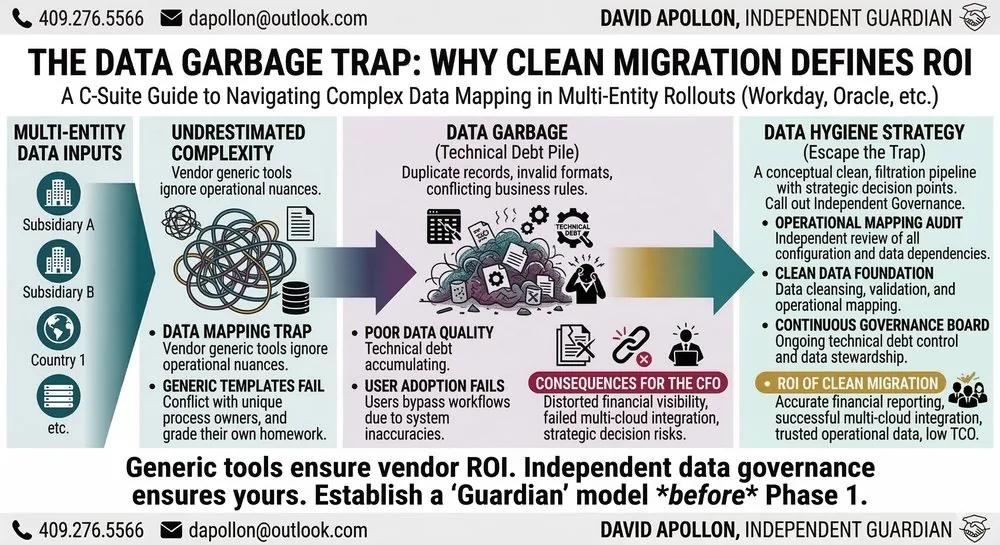
Data conversion: the part everyone underestimates
Why data conversion sinks more go-lives than any other workstream, and how to run it as reconciliation, not loading.
Hypercare that stabilizes the business
Go-live is the start, not the finish, the staffing, triage, and signals that tell you the business has stabilized.
The steering committee that earns its hour
Most steering committees are status theater. How to run one that makes decisions.
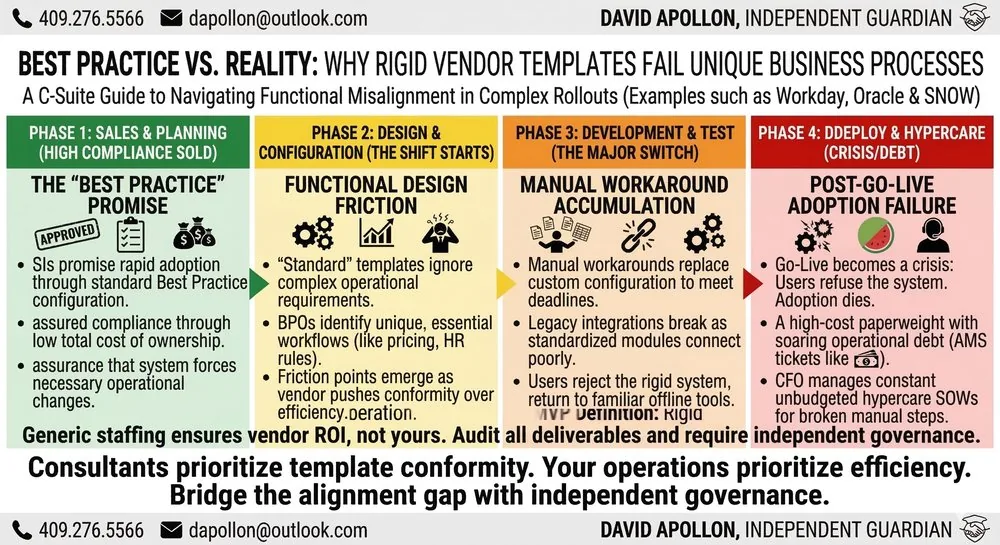
Testing and independent V&V: trust, but verify
Why independent validation catches what the build team can't, and how to test like production, not like a demo.
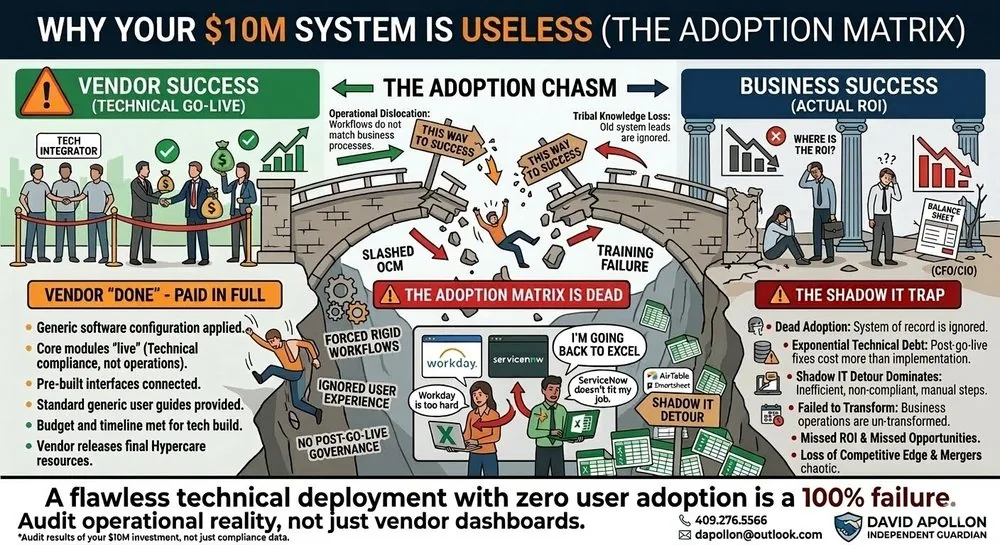
Change management at enterprise scale
Change management is where ERP value is won or lost. How to lead adoption when the whole enterprise has to move at once.